
Bring previous medical reports, X-rays, MRI or CT scans, relevant test results and a list of current medications to help make your consultation more informative.
Understanding your condition can help you make informed decisions about your treatment. Your doctor will explain the diagnosis and available options during your consultation.
Recovery varies depending on the procedure and individual patient factors. Follow your doctor's instructions regarding medication, activity, physiotherapy and follow-up appointments.
Rehabilitation may be an important part of recovery after an orthopedic injury or procedure. A personalized rehabilitation program can help improve mobility, strength and function.
If pain, stiffness, swelling or restricted movement persists or affects your daily activities, an orthopedic evaluation may be appropriate.
No. Many conditions can initially be managed with non-surgical treatment. Surgery is considered when clinically appropriate.
Knee replacement may be considered when significant joint damage causes persistent symptoms and other treatments are no longer providing adequate relief.
Arthroscopy is a minimally invasive procedure used to diagnose or treat selected joint problems.
Recovery varies according to the procedure, condition, overall health and rehabilitation requirements.
Yes. Many sports injuries can be managed without surgery, depending on the type and severity of the injury.
+(91) 93226 91388
+(91) 73049 51388
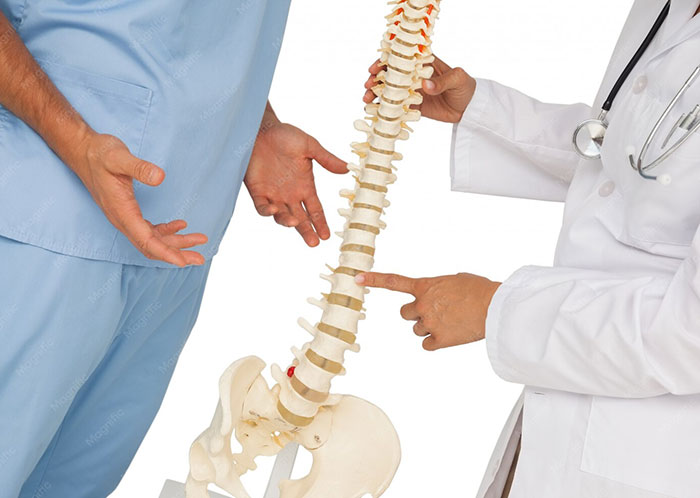
Every patient is different. The same X-ray or diagnosis does not necessarily require the same treatment for every person.
Whenever possible, treatment begins with non-operative measures. If surgery becomes necessary, the decision is made after considering the patient’s symptoms, clinical findings, investigations, lifestyle and functional requirements.
To help you understand your condition, choose the right treatment and return to a more active and comfortable life.
Knee • Hip • Shoulder • Elbow • Wrist • Hand • Foot • Ankle • Spine • Fractures
• Sports Injuries • Arthritis • Ligament & Tendon Injuries • Joint Replacement • Arthroscopic Conditions