
Sports Injuries: Types, Symptoms and Treatment
Sports and physical activities support overall health, but injuries can occur during exercise, training, or competition. Some injuries develop suddenly, while others result from repeated stress on muscles, tendons, and joints.
Early assessment can help identify the injury and guide a safe return to activity.
Common Types of Sports Injuries
1. Ligament injuries: Ligaments connect bones and help stabilise joints. A sprain or tear may occur following a sudden twist or change in direction.
2. Muscle strains: Overstretching or tearing muscle fibres can cause pain, swelling, and weakness.
3. Meniscus injuries: The cartilage inside the knee can be damaged by twisting movements or age-related changes.
4. Tendon injuries: Repeated loading or sudden stress may irritate or damage tendons around the knee, ankle, shoulder, or other joints.
5. Fractures: A direct impact, fall, or repetitive stress can cause a bone fracture.
What Are the Warning Signs?
Symptoms may include pain, swelling, bruising, restricted movement, weakness, or difficulty putting weight on the affected limb.
Seek urgent medical care if you notice an obvious deformity, an open wound over a suspected fracture, severe pain, numbness, or a cold or pale limb. Do not attempt to straighten a deformed limb yourself.
What Should You Do After a Sports Injury?
Stop the activity and protect the injured area from further damage. Avoid movements that increase pain, and use a wrapped cold pack for short periods if appropriate.
Do not force movement or return to sport before the injury has been assessed when symptoms are significant. Suspected fractures, major ligament injuries, and severe pain require prompt medical attention.
How Are Sports Injuries Treated?
Treatment depends on the type and severity of the injury. Options may include activity modification, rehabilitation, medication, bracing, or surgery for selected injuries.
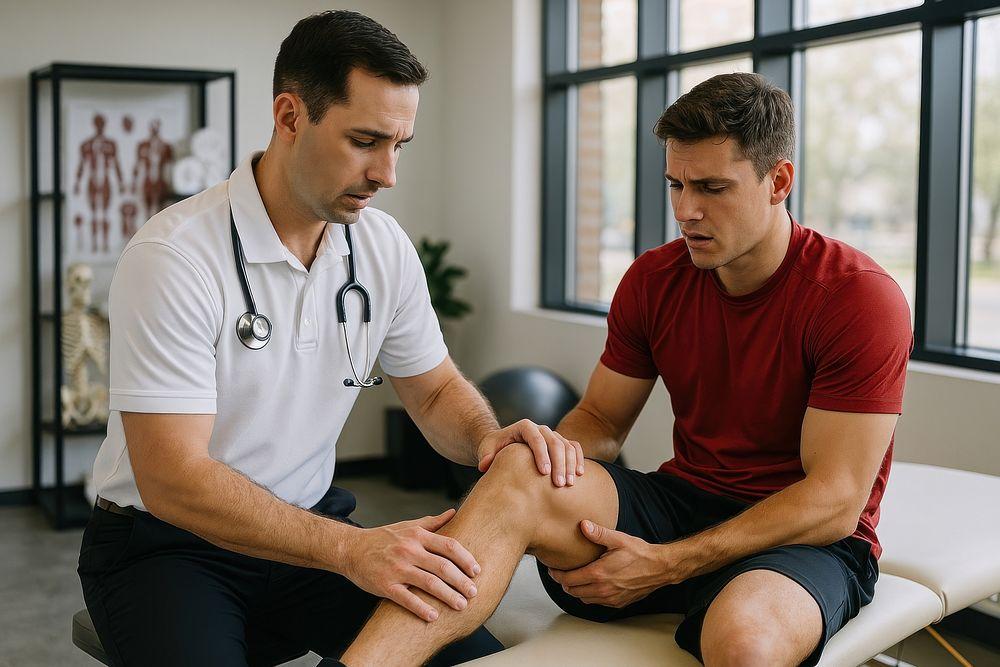
An orthopedic specialist may recommend imaging or further assessment to determine the extent of the damage. Rehabilitation helps restore strength, flexibility, balance, and sport-specific function.
How Can Sports Injuries Be Prevented?
- Warm up before exercise.
- Increase training intensity gradually.
- Use appropriate footwear and protective equipment.
- Include strength, balance, and flexibility exercises.
- Allow sufficient recovery between demanding sessions.
- Follow a structured return-to-sport plan after injury.
Consult an Orthopedic Specialist
Persistent pain, repeated injuries, or difficulty returning to normal activity should not be ignored. An orthopedic evaluation can help identify the injury and guide treatment.
Dr. Vivek Dwivedi provides orthopedic care for sports injuries, joint conditions, and musculoskeletal problems.
Medical disclaimer: This article provides general information and is not a substitute for individual medical assessment or treatment.