Helping You Move Better, Recover Faster and Get Back to Your Daily Life..
Orthopedic problems can affect your bones, joints, muscles, ligaments, tendons and spine. Whether you have suffered a recent injury, developed joint pain over time, or are living with a long-standing orthopedic condition, the right diagnosis and treatment can make a significant difference.
We provide comprehensive orthopedic care, beginning with accurate assessment and diagnosis and continuing through non-operative treatment, surgery when necessary and rehabilitation.
Our approach is simple: use non-surgical treatment whenever it is appropriate, and recommend surgery when it offers a meaningful benefit to the patient.
Comprehensive care for every stage of life, from injury and pain relief to long-term joint and spine health.
Comprehensive evaluation, diagnosis and treatment for all orthopedic conditions.
Medicines, physiotherapy, lifestyle changes, injections, bracing and rehabilitation.
Joint replacement, arthroscopic (keyhole) surgery and joint-preserving procedures.
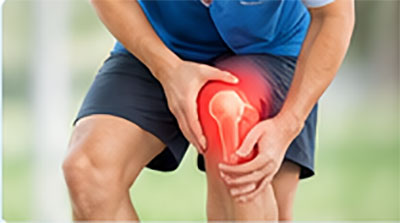
Osteoarthritis, ligament injuries, meniscus tears, hip pain, fractures and joint replacement.
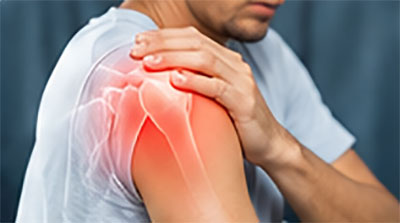
Rotator cuff injuries, arthritis, carpal tunnel, fractures and other shoulder, arm and hand conditions.
All types of fractures, sports injuries, ligament and tendon injuries with appropriate fixation and rehabilitation.
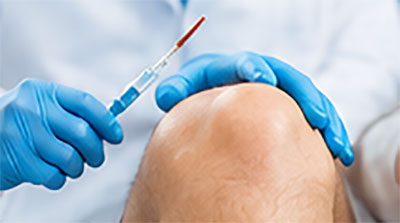
Help reduce pain and inflammation and improve mobility as part of a suitable treatment plan.
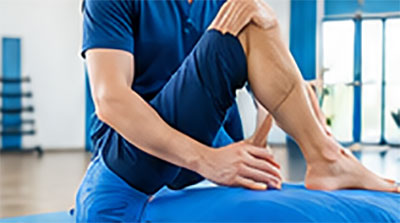
Restore movement, strength, balance and function after injury or surgery.
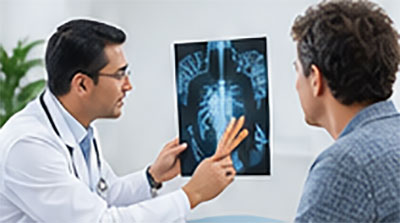
Review your history, scans and treatment plan to help you make an informed decision.
Maintain mobility, reduce fall risk and support long-term bone and joint health.
Consider an orthopedic consultation if you experience persistent joint or muscle pain, difficulty moving, recurring injuries, swelling, stiffness, suspected fractures or symptoms that interfere with your daily activities.
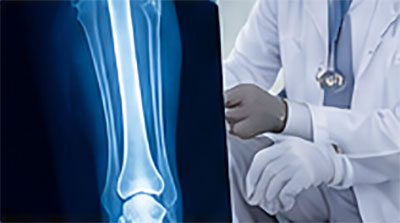
Every patient is different. The same X-ray or diagnosis does not necessarily require the same treatment for every person.
Whenever possible, treatment begins with non-operative measures. If surgery becomes necessary, the decision is made after considering the patient’s symptoms, clinical findings, investigations, lifestyle and functional requirements.
To help you understand your condition, choose the right treatment and return to a more active and comfortable life.