
When Is Knee Replacement Surgery Needed?
Knee replacement surgery is a treatment option for people experiencing severe knee pain and reduced mobility due to joint damage. It involves replacing damaged joint surfaces with artificial components designed to improve comfort and function.
However, not everyone with knee pain needs surgery. The decision depends on the condition of the joint, the severity of symptoms, and the response to other treatments.
Signs You May Need a Knee Replacement Assessment
An orthopedic consultation may be helpful if you experience:
- Persistent knee pain that affects everyday activities.
- Difficulty walking, climbing stairs, or standing for extended periods.
- Knee stiffness that limits movement.
- Pain that interferes with sleep or quality of life.
- Limited improvement despite appropriate non-surgical treatment.
These symptoms do not automatically mean you need surgery. A specialist must evaluate the cause and severity of your condition.
What Conditions Can Lead to Knee Replacement?
Advanced osteoarthritis is one of the most common reasons for knee replacement. Other forms of severe joint damage may also require surgical assessment.
Your doctor may review your symptoms, examine your knee, and recommend X-rays or other investigations when necessary.
What Happens During Knee Replacement Surgery?
During the procedure, the damaged surfaces of the knee joint are replaced with artificial components. The surgical approach and implant selection depend on the patient’s anatomy, joint damage, health, and functional needs.
The aim is to reduce pain and improve mobility, although outcomes and recovery vary between individuals.
What Is Recovery Like After Knee Replacement?
Recovery typically involves pain management, wound care, and a structured rehabilitation programme.
Patients are often encouraged to begin standing or walking with assistance early after surgery, when medically appropriate. Physiotherapy helps restore movement, strength, and confidence.
The time needed to return to routine activities depends on overall health, surgical factors, and progress during rehabilitation.
Is Knee Replacement Always the First Option?
No. Depending on the diagnosis, treatment may include physiotherapy, activity modification, weight management, and medication. Surgery is considered when joint damage and symptoms justify it and other suitable measures have not provided adequate relief.
Consult an Orthopedic Specialist
If chronic knee pain is affecting your quality of life, seek an assessment to understand whether conservative treatment or knee replacement may be appropriate.
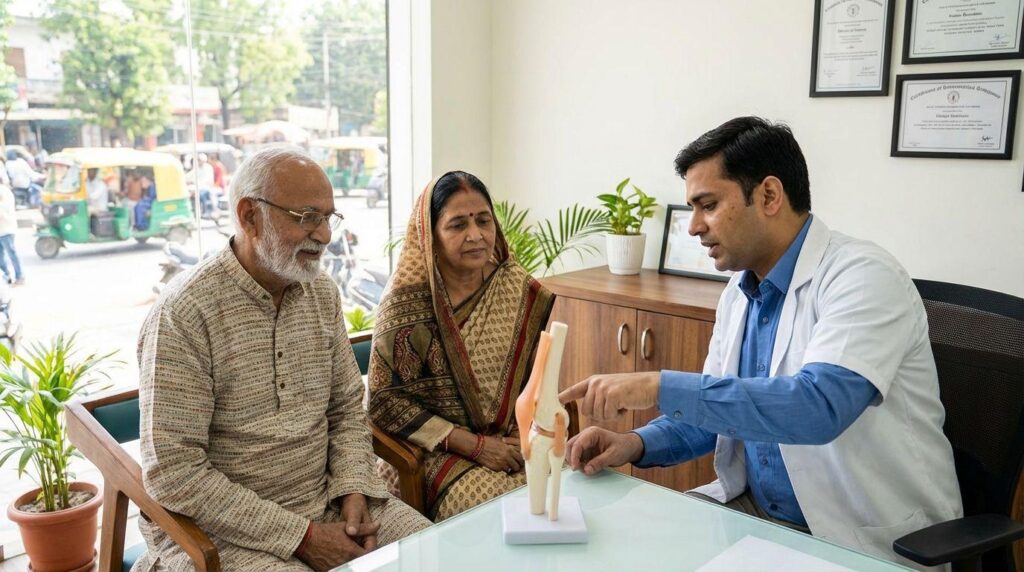
Dr. Vivek Dwivedi provides orthopedic consultation for knee and joint conditions. Discuss your symptoms, treatment options, and expected recovery with a specialist.
Medical disclaimer: This information is educational and should not be used as a substitute for an individual medical consultation.